How to Improve Indoor Air Quality with HVAC Solutions Jun 13, 2026
Understanding Indoor Air Quality
Indoor air quality refers to the cleanliness of the air within and around buildings and structures. Poor indoor air quality can lead to health issues such as allergies, asthma, and other respiratory problems. Various factors, including dust, mold, pet dander, and volatile organic compounds (VOCs), can degrade air quality. Fortunately, HVAC systems play a pivotal role in mitigating these pollutants and ensuring your home's air remains fresh and clean.
HVAC Filters: Your First Line of Defense
A crucial component of maintaining good indoor air quality is regularly replacing or upgrading your HVAC filters. These filters trap dust, pollen, and other airborne particles, preventing them from circulating throughout your home. We recommend using high-efficiency particulate air (HEPA) filters, as they can capture up to 99.97% of particles that are 0.3 microns or larger. Regular filter checks and replacements are key actions towards improving air quality.
Air Purifiers: Enhancing Air Cleanliness
For those seeking an additional layer of protection, incorporating air purifiers can significantly enhance indoor air cleanliness. Air purifiers work alongside your HVAC system to further reduce airborne pollutants, including VOCs and bacteria. When shopping for an air purifier, look for models that are certified and suitable for the size of your space to ensure maximum efficiency.
Humidity Control: Balancing Moisture Levels
Maintaining the right humidity level is crucial in controlling the presence of mold and dust mites, which thrive in high humidity environments. Your HVAC system can assist in regulating humidity levels, keeping them between 30% and 50%. Consider integrating a humidifier or a dehumidifier with your HVAC system to maintain an optimal indoor climate. Proper humidity control not only enhances air quality but also contributes to overall home comfort.
Ventilation Systems: Bringing Fresh Air Inside
Proper ventilation is essential for flushing out indoor pollutants and introducing fresh air into your home. An energy recovery ventilator (ERV) or a heat recovery ventilator (HRV) can be added to your HVAC system to maximize air exchange without sacrificing energy efficiency. These systems are designed to prevent excessive energy loss while delivering fresh air into your living spaces.
Regular HVAC Maintenance: Ensuring Peak Performance
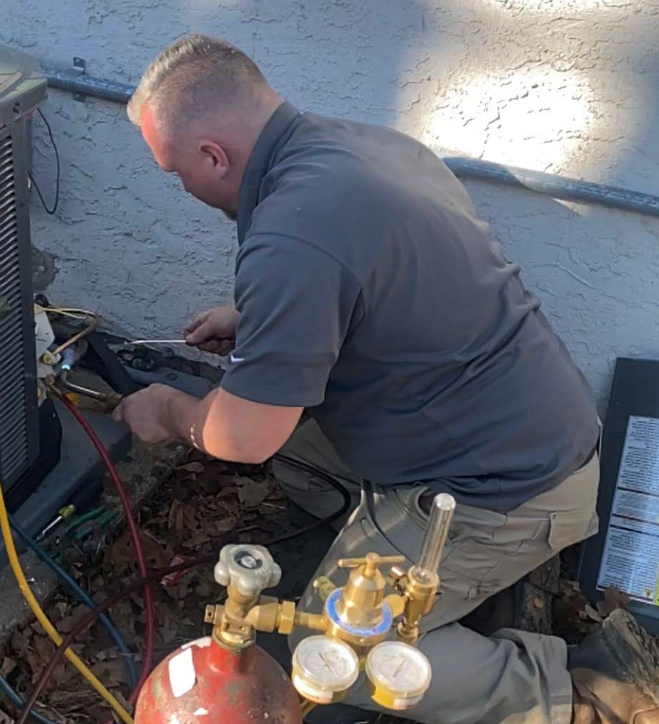
Routine HVAC maintenance is essential for ensuring your system is functioning optimally. Scheduled maintenance checks help identify potential issues early, allowing for timely repairs or upgrades. This not only prolongs the lifespan of your HVAC system but also ensures it efficiently cleans and conditions your indoor air. At Horsham Heating and Cooling, our team of experts is dedicated to providing thorough inspections and maintenance services to keep your air quality at its best.
Conclusion
Improving indoor air quality with HVAC solutions is a practical and effective approach to ensuring a healthy home environment. By investing in quality filters, utilizing air purifiers, managing humidity levels, enhancing ventilation, and committing to regular maintenance, you can significantly reduce indoor air pollutants. At Horsham Heating and Cooling, we are committed to helping you breathe easier by providing top-notch HVAC services tailored to your home's needs. Contact us today to explore how our expert solutions can transform your indoor air quality.
/filters:no_upscale()/filters:format(webp)/media/296ab928-6f49-4452-8122-ed4adbe07200.jpeg)